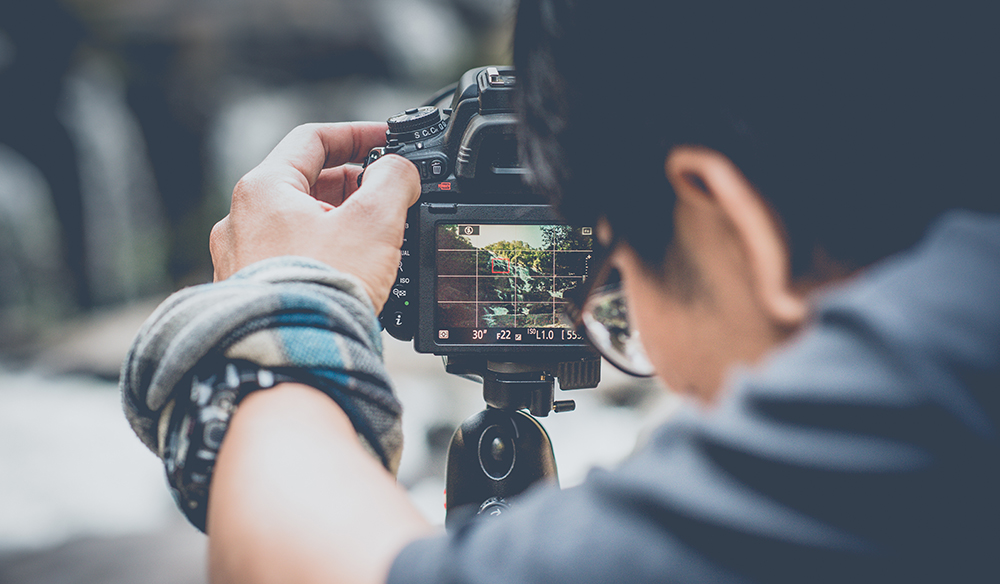
Videography is the creative and technical process of capturing moving images through a camera to tell a story, document an event, or create visual content for entertainment, education, or marketing. In today’s digital world, videography has become one of the most powerful mediums of communication, bridging cultures, emotions, and ideas through the language of visuals and sound.
Table of Contents
ToggleWhat is Videography?
Videography refers to the art of recording videos using digital cameras, camcorders, drones, or even smartphones. Unlike photography, which captures still images, videography captures continuous movement, sound, and expressions, making it a more dynamic and immersive form of storytelling. It is widely used in weddings, films, advertisements, documentaries, music videos, and social media content.
Importance of Videography
Videography plays a vital role in various industries and everyday life:
-
Weddings and Events: It preserves precious memories by capturing emotions, rituals, and celebrations in motion.
-
Marketing and Business: Brands use videos to promote products and services, as videos attract and engage audiences more effectively than text or images alone.
-
Education: Tutorials, online courses, and explainer videos make learning easier and more interactive.
-
Entertainment: Movies, web series, and short films all rely on videography to connect with audiences.
Skills Required in Videography
Successful videography requires both creativity and technical expertise. Key skills include:
-
Camera Handling: Knowing how to use different lenses, angles, and equipment.
-
Lighting Techniques: Good lighting enhances video quality and mood.
-
Sound Recording: Clear audio is essential for professional videos.
-
Editing Skills: Post-production brings raw footage to life through cutting, color grading, and adding effects.
-
Storytelling: A good videographer weaves visuals into a narrative that resonates with viewers.
Evolution of Videography
Videography has evolved significantly with technology. Earlier, bulky cameras and tapes were used, but today, lightweight DSLRs, drones, and smartphones have made videography more accessible. Editing software and AI tools now allow creators to produce high-quality videos even with limited resources. Platforms like YouTube, Instagram, and TikTok have also opened new opportunities for videographers to showcase their talent to a global audience.
Conclusion
Videography is more than just recording videos—it is an art form that combines technology, creativity, and storytelling. Whether it’s capturing life’s most beautiful moments, promoting businesses, or creating entertainment, videography has the power to influence, inspire, and connect people. As technology continues to advance, the world of videography will only expand, offering endless possibilities for creators and viewers alike.
Would you like me to make this article formal and professional (for websites/magazines) or simple and engaging (for blogs/social media)?